

It’s crazy to think that around two months ago I was seriously considering canceling my OpenAI subscription. I was planning to keep the API open but cancel the front-end because I was so rarely using it. I was (and still am) using Claude to do all my writing, and I was (and still am) using Cursor for all my programming.
I am proud to announce that Argelius Labs will be sponsoring the B-Sides Kristiansand Conference in Norway this year! Unfortunately, I will not be able to attend in person due to a pre-existing scheduling conflict. However, having gotten to know Veronica over the past several months, I’m confident that she’s going to do an amazing job and crush the conference.
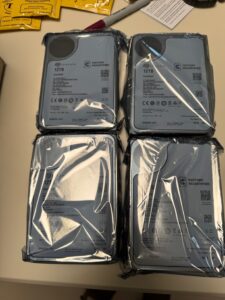
Anyone who’s heard me teach or speak about breach data, info stealer logs, etc., knows that I actively monitor a lot of different places and gather up and store terabytes of information. Recently, I wanted to upgrade the method I was using to store this information and to make it easier to expand in the future. I used Deep Research

Hey everyone! I’m still very much recovering from jet lag after my trip back from Singapore. You’d think that when you’re falling asleep all day, super tired, and force yourself to stay up until your normal bedtime once you’re back home, you’d sleep very well that evening—but not so much. I don’t want to miss any days of posting if

I got home late last evening from Singapore after an exhausting 30-hour travel day. All in all, Singapore was incredible—not just because of the amazing city itself, but thanks to the phenomenal team that SANS APAC has assembled. They were friendly, helpful, and made my job incredibly easy. I absolutely cannot wait to return soon, and when I do, I’ll
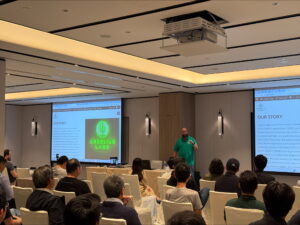
Last night I had the pleasure of speaking to over one hundred people in person, and more online at the SANS community night here in Singapore. It was a great crowd full of great questions and I can’t wait to speak here again.
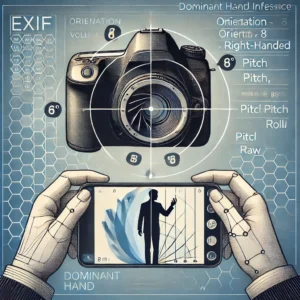
I had a student in class today talk about potentially using metadata to determine if the person who took a photo was left or right handed based on the orientation of the phone taking the photo. I thought it was a super clever idea so I asked OpenAI’s deep research to look into it. Here are the results. When a

I had an OnDemand student reach out to ask for some tips for exam prep. Rather than type it up, I decided to cut a video!